-
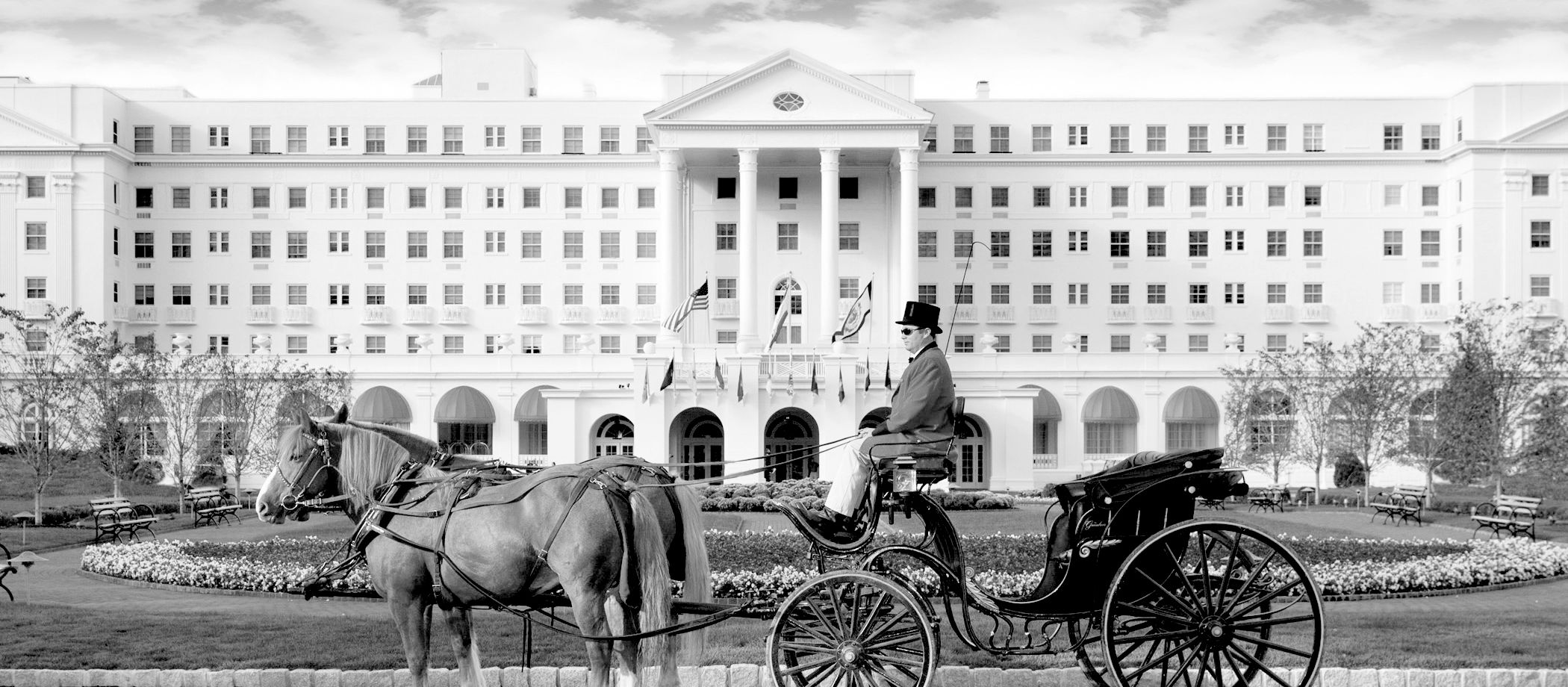
The History of The Greenbrier
Embark on a journey through time marked by historic events, transformative eras, and visionary leadership. From our humble beginnings in 1778 to our rise as an iconic American landmark, discover every history-rich chapter of The Greenbrier’s story — one that continues to unfold today.
A Glimpse into the Past
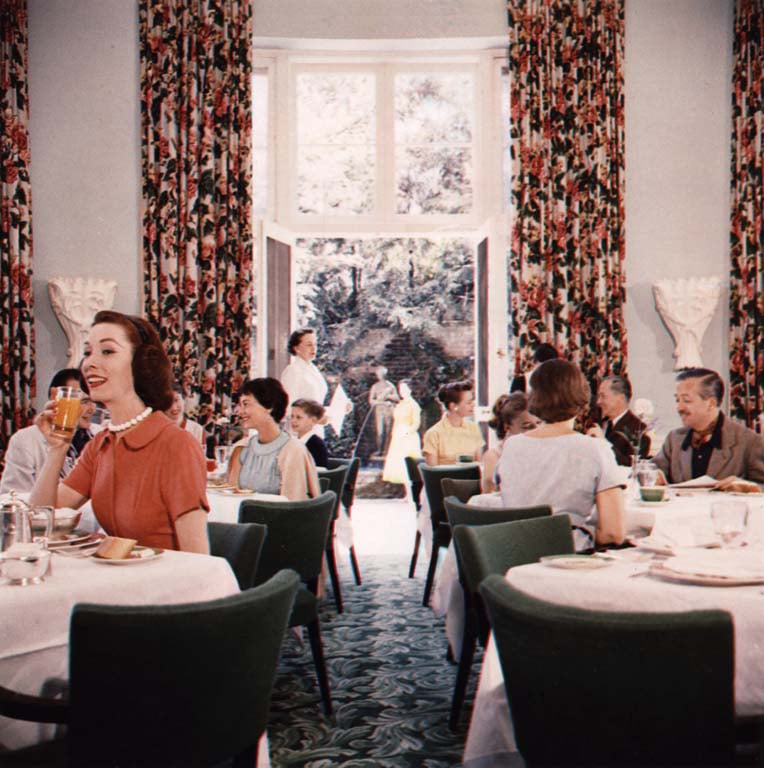
Founded in 1778, the resort’s early days were marked by its role as a natural healing oasis and a place of retreat for those seeking solace. Its mineral springs were believed to possess therapeutic properties, drawing in guests seeking respite from all over the world.
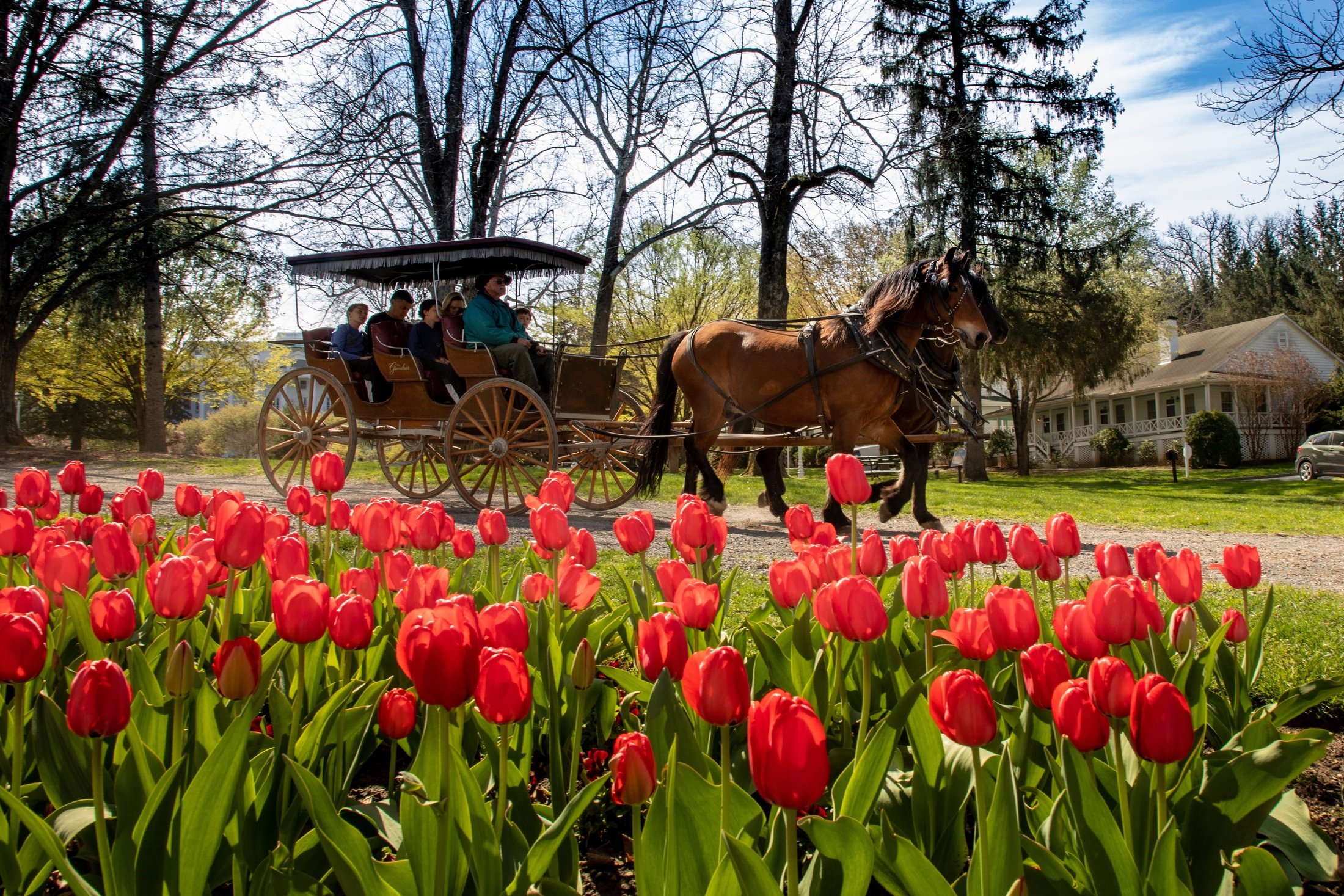
In the 1830s, the resort experienced its first period of prominence as a gathering place for politicians, judges, editors, lawyers, diplomats, ministers, planters, and merchants, primarily hailing from the Southern states. The allure of our “village in the wilderness” was particularly strong during the summer months, when the resort’s 2,000-foot elevation provided a welcome escape from the stifling heat and humidity of the lowlands. Before the Civil War, the resort hosted five sitting presidents, showcasing its esteemed standing as the preferred destination for gatherings among the country’s most influential and prestigious families.
Amidst the tumultuous years of the Civil War, the resort temporarily closed its doors. During this somber period, the resort’s grounds served as a hospital and military command center. The Greenbrier opened its doors shortly after the war’s end in 1865. This marked the beginning of a new era, with a significant turning point arriving in 1873 with the completion of the Chesapeake and Ohio Railway, a pivotal moment that laid the foundation for its future growth and resilience.
The Golden Age of Grand Resorts
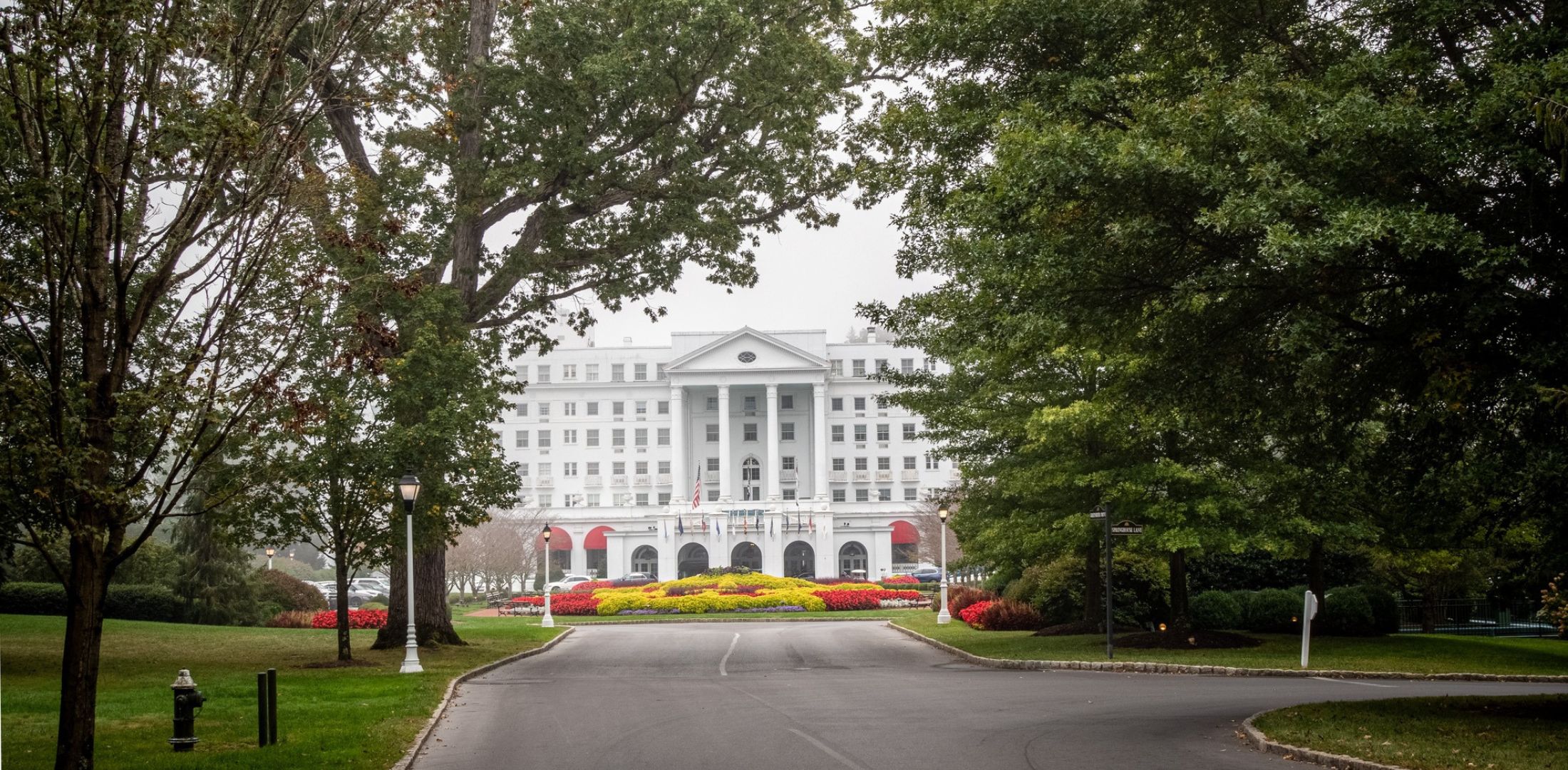
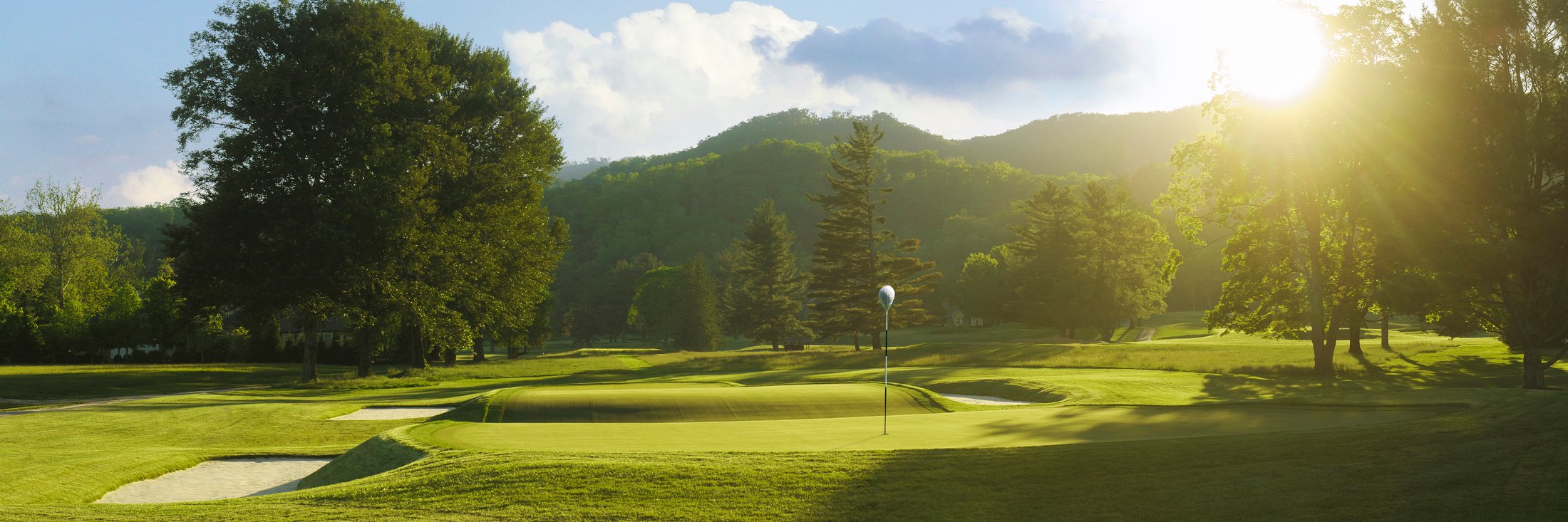
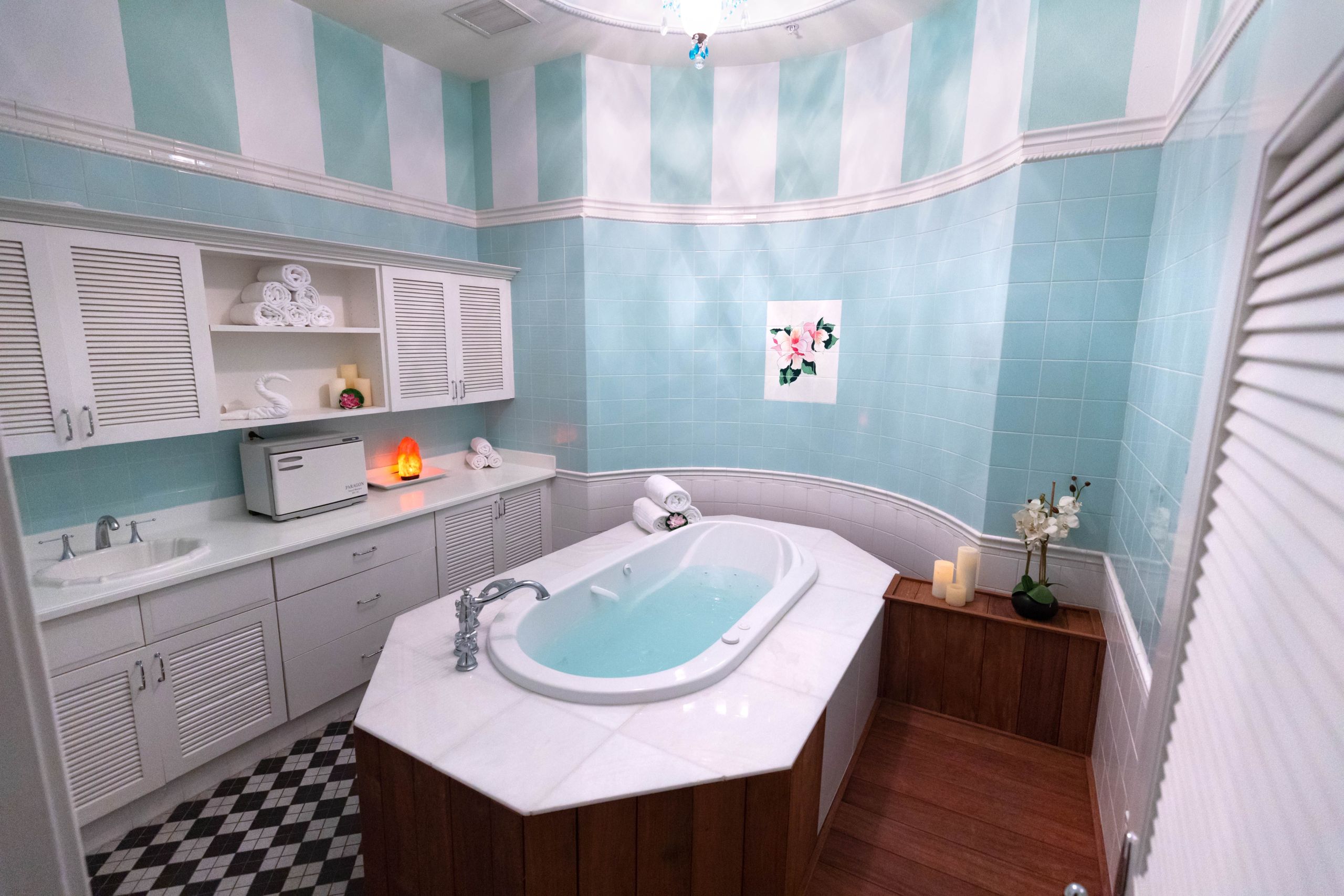
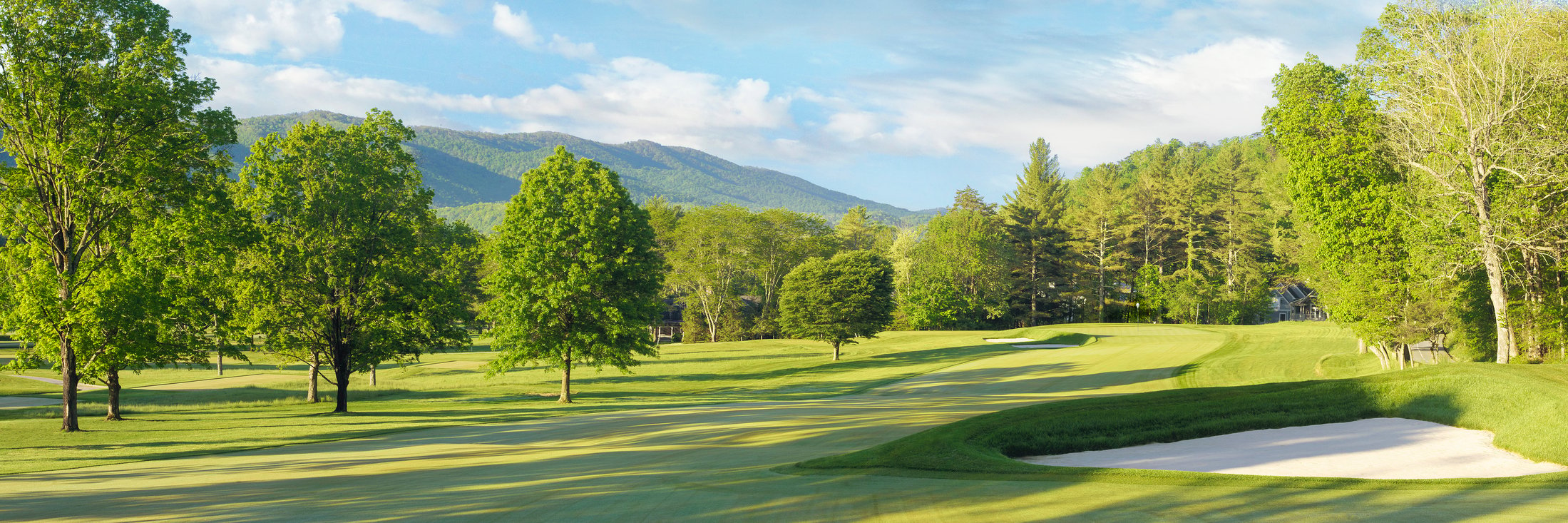
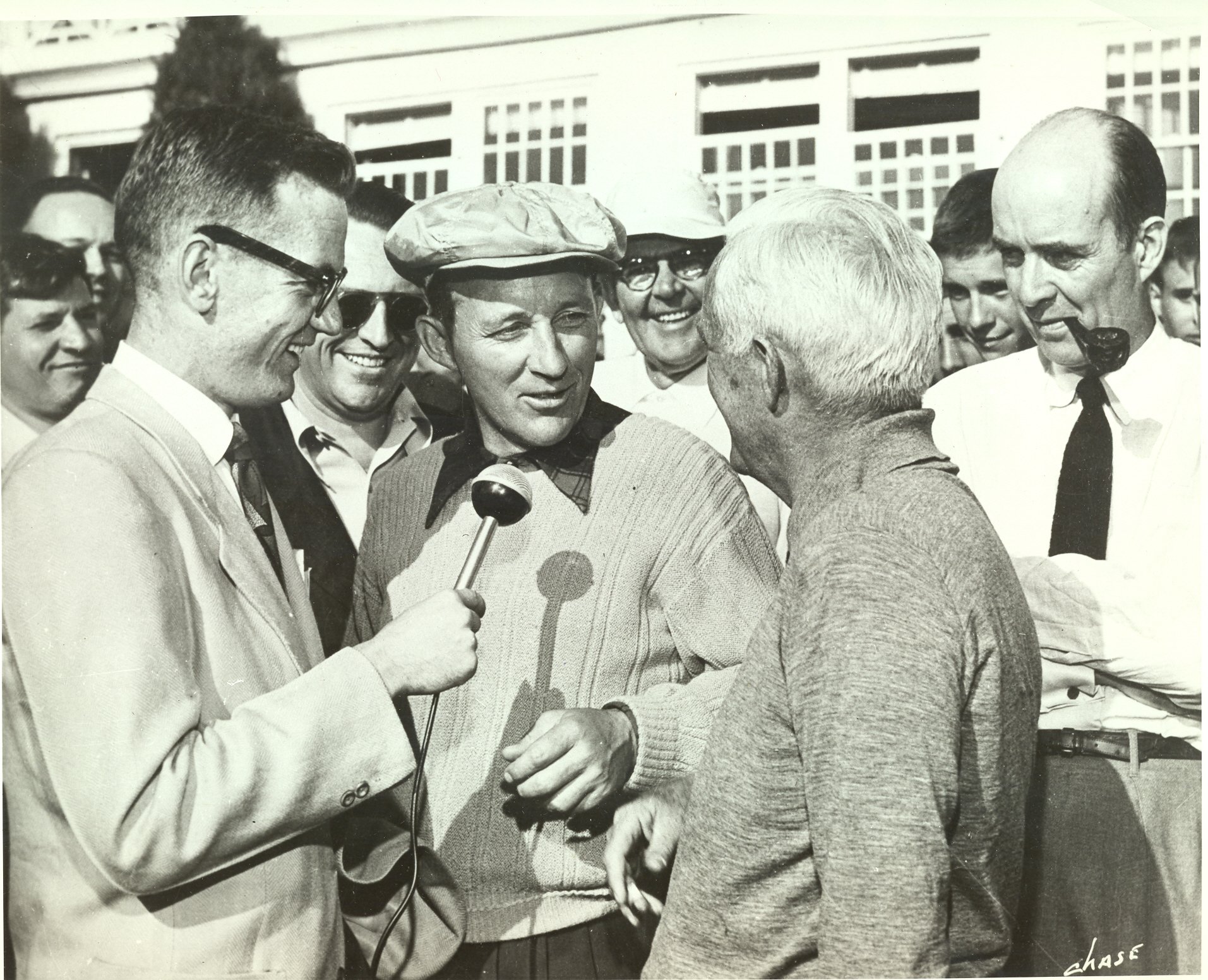
The historic trajectory of The Greenbrier takes a momentous turn as the Chesapeake and Ohio Railway acquires the property in 1910, embarking on an ambitious expansion endeavor. A new chapter of opulence unfolds in 1913 as the railroad introduces The Greenbrier Hotel, now the heart of our grand resort. Alongside it emerges the iconic Mineral Bath Department and an 18-hole golf course, famously known today as The Old White.
A year of pivotal transformations ensued in 1914 as the resort’s name shifts to The Greenbrier, and it extends its welcome year-round. This landmark year also witnessed the visit of President and Mrs. Woodrow Wilson during Easter, while Joseph and Rose Kennedy journeyed from Boston to celebrate their October honeymoon.
Amidst the Roaring Twenties, The Greenbrier finds its place among the esteemed circuit of high society destinations that span from the sun-soaked coastlines of Palm Beach, Florida, to the historic charm of Newport, Rhode Island. A substantial reconstruction of The Greenbrier Hotel took place in 1930 as guest rooms doubled to five hundred to accommodate its newfound popularity.
A Sanctuary in Turbulent Times
In 1941, during the Second World War, the U.S. State Department leased The Greenbrier Hotel for seven months, providing refuge for diplomats. The following year, in 1942, the U.S. Army acquired the hotel, transforming it into a 2,000-bed hospital named Ashford General Hospital, caring for over 24,000 soldiers during its four years of operation.
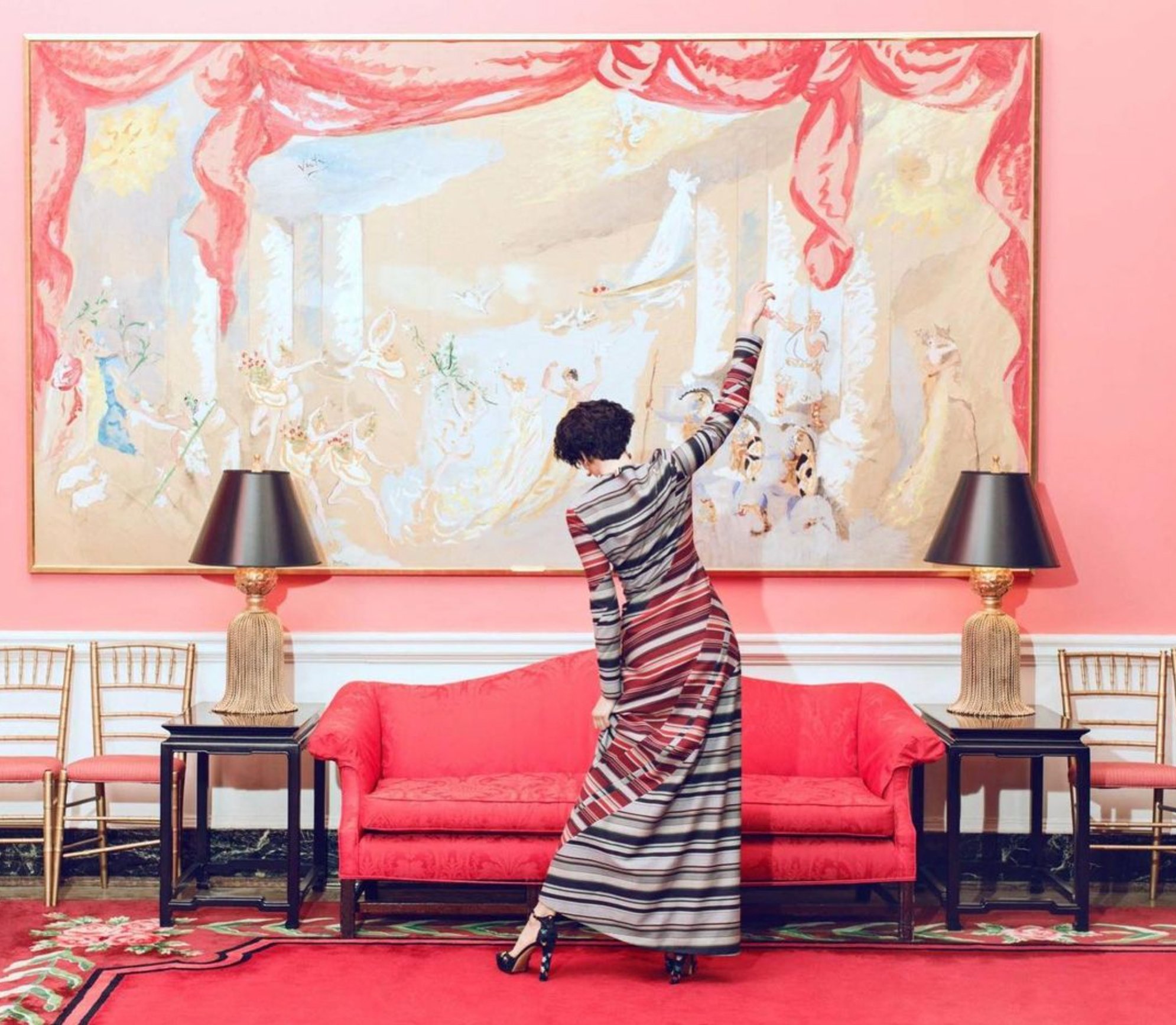
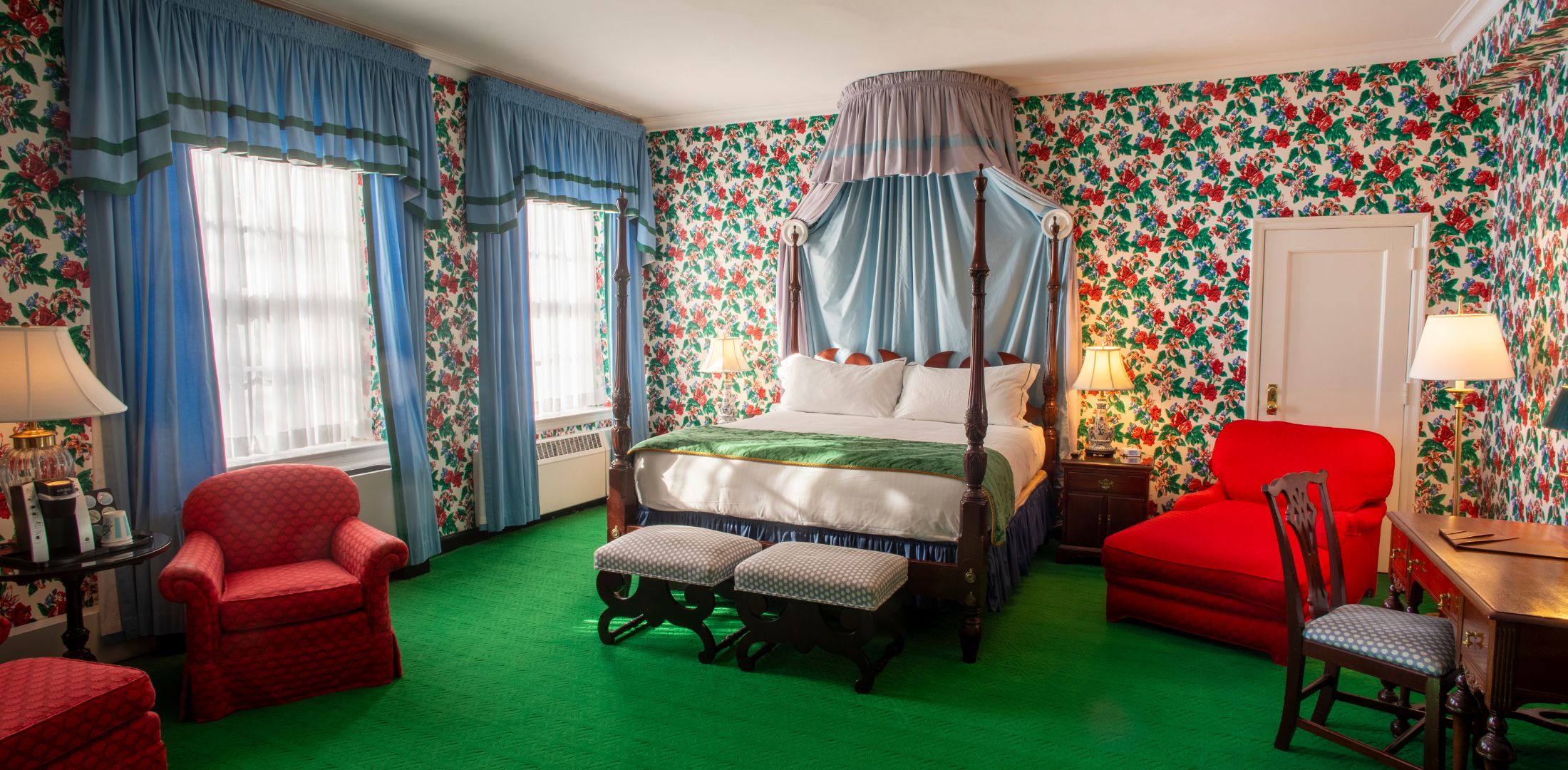
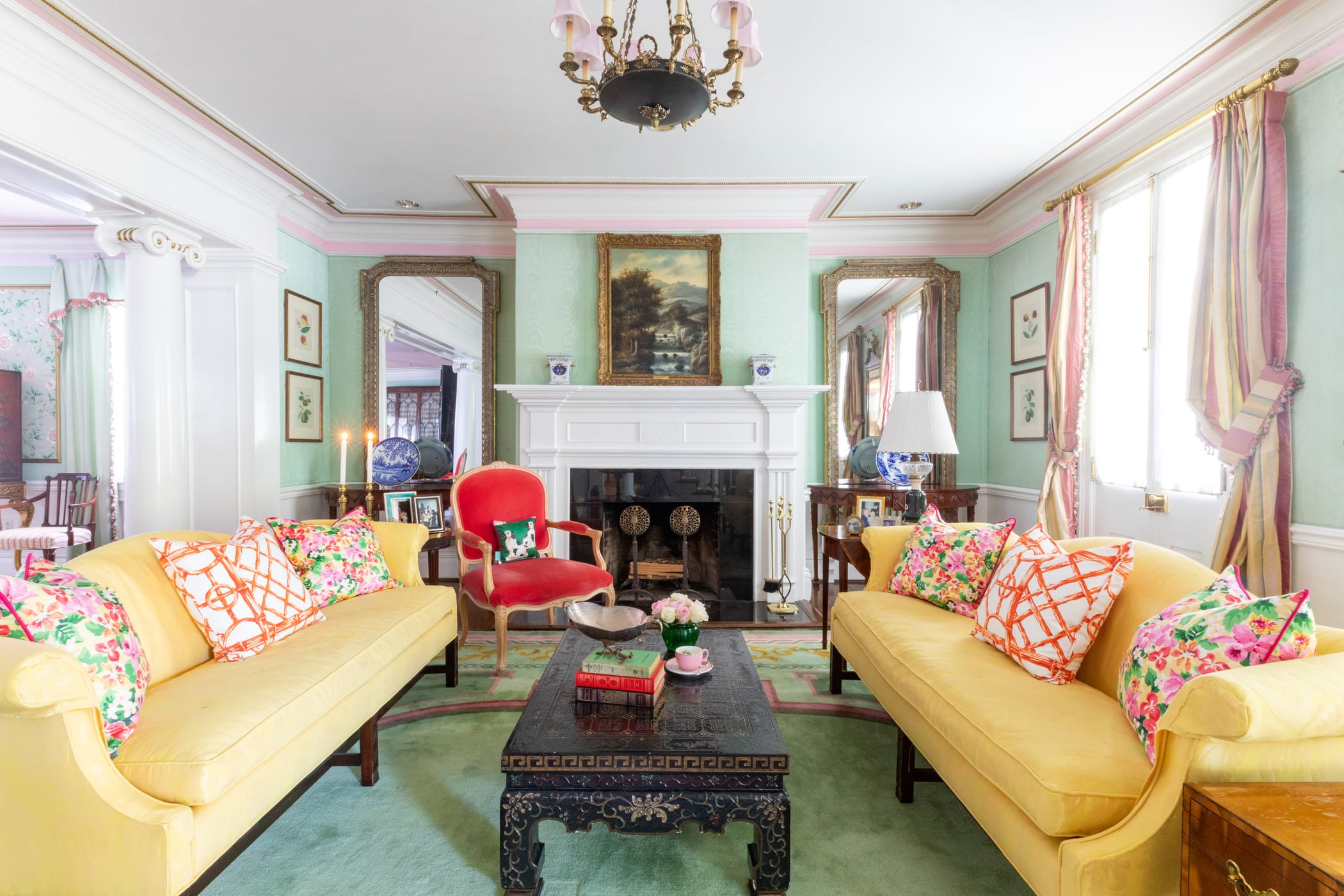
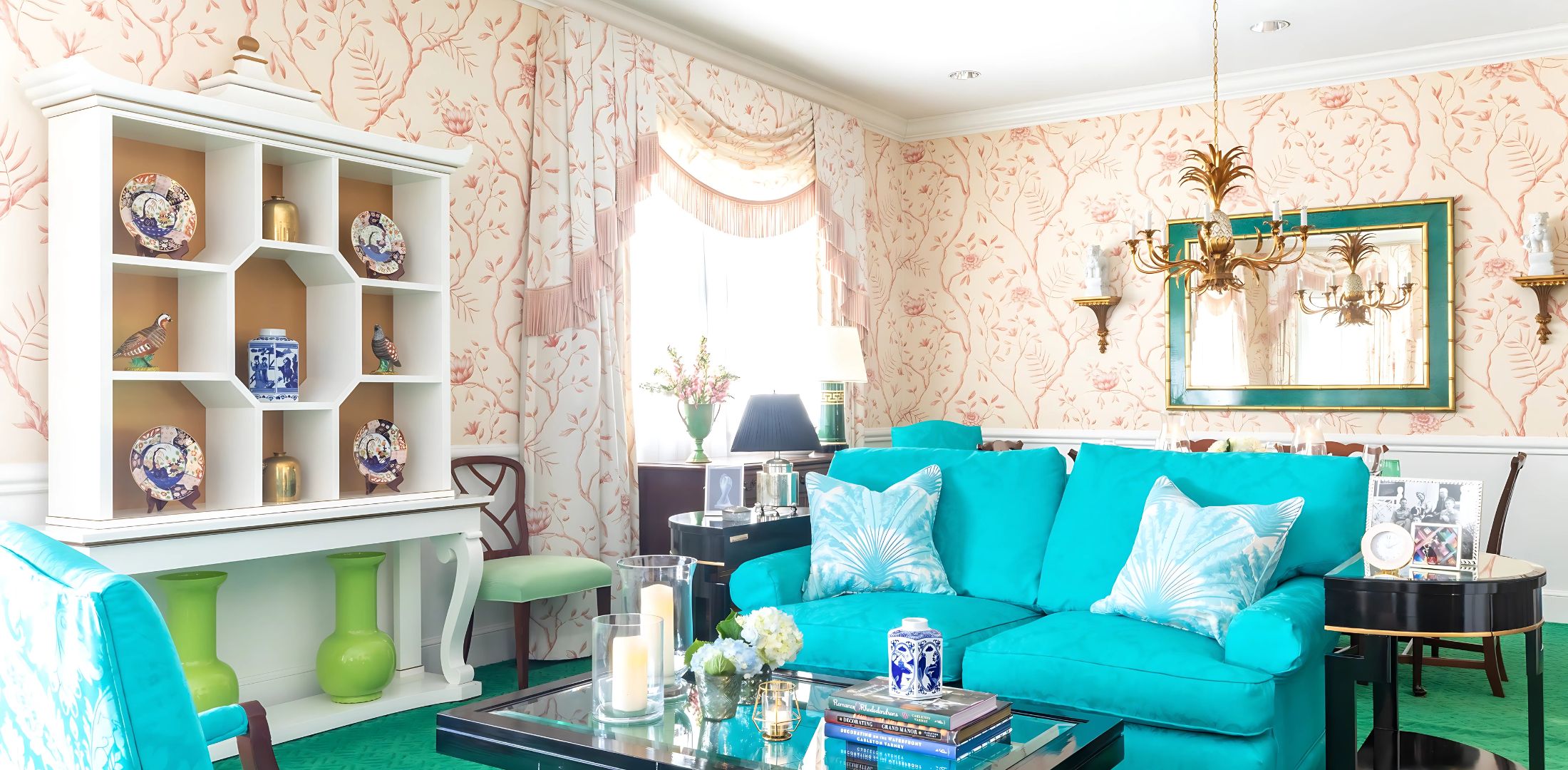
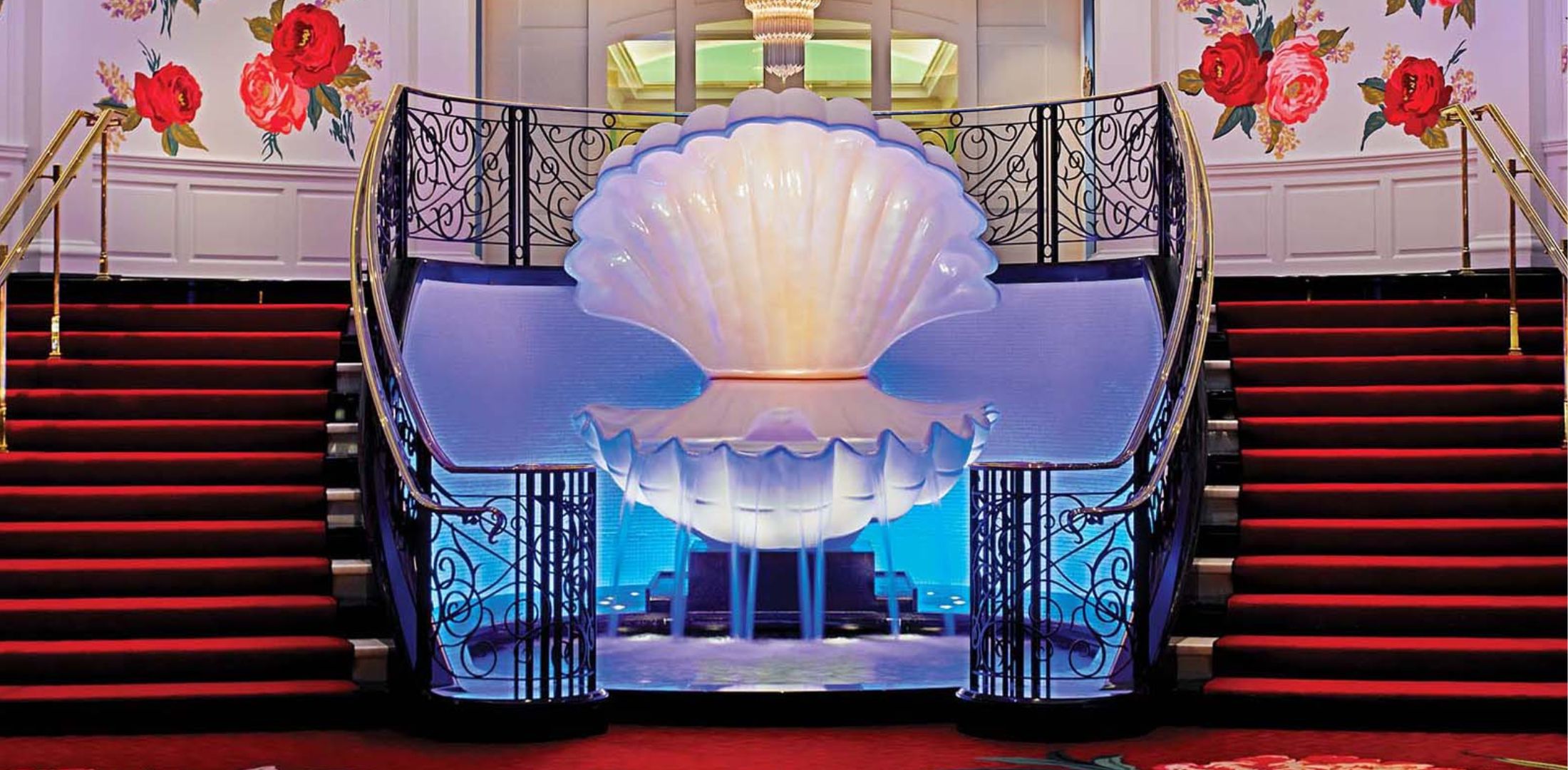
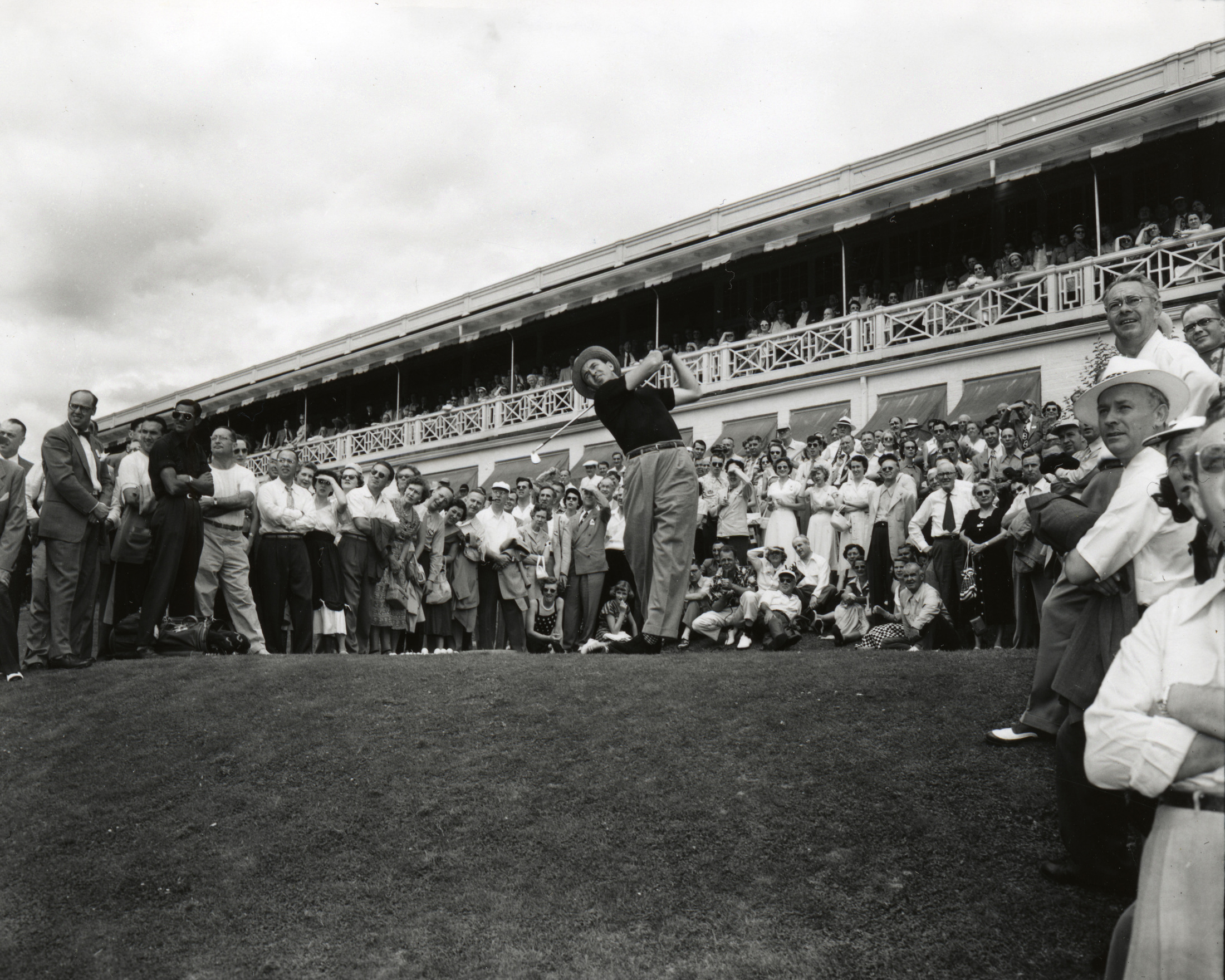
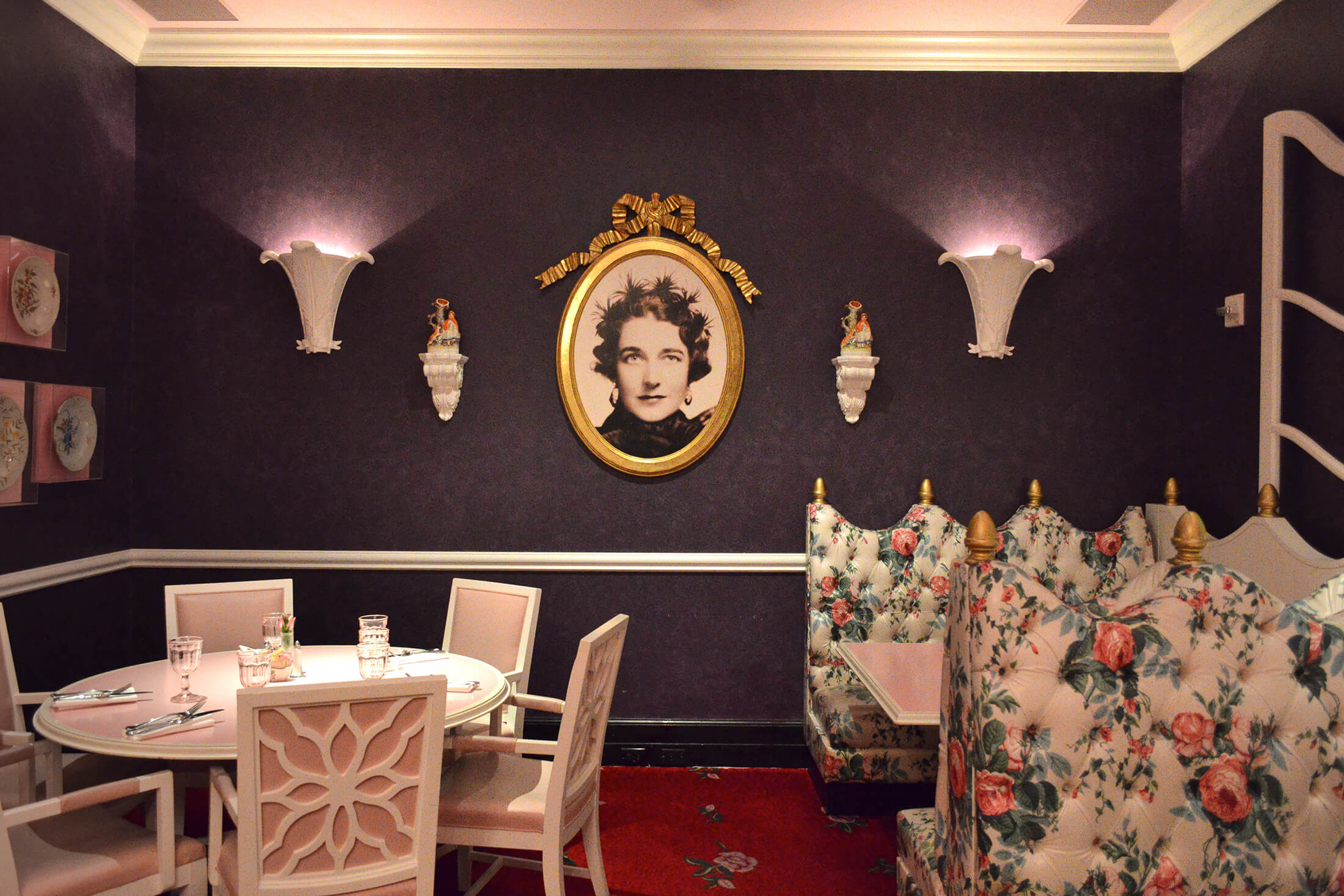
After the war, the Chesapeake and Ohio Railway reacquired The Greenbrier Hotel and initiated a thorough interior redesign by renowned designer Dorothy Draper — the same iconic aesthetic that defines our style today. Two years later, in 1948, The Greenbrier reopens, welcoming back golf pro Sam Snead, a key figure in establishing the resort as a premier global golf destination.
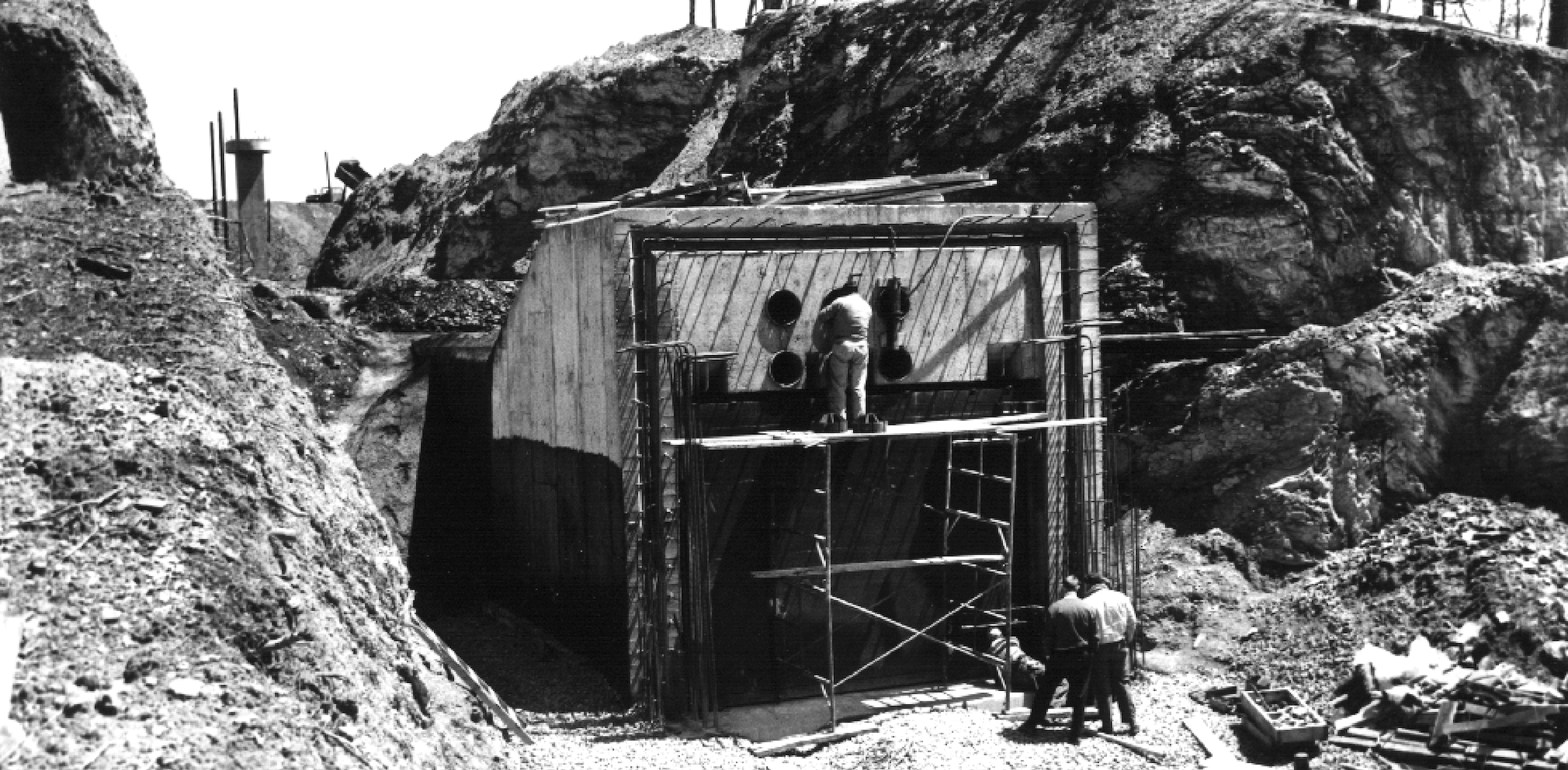
During the Cold War era of the 1950s, The Greenbrier’s pivotal role in crisis continued as the U.S. government enlisted the resort’s help to construct an Emergency Relocation Center — an underground bunker codenamed Project Greek Island — designed to house the U.S. Congress during times of conflict. This project includes the addition of the West Virginia Wing to the hotel’s above-ground facilities, maintaining the bunker in a constant state of readiness for thirty years.
Deepening the Legacy
Through the following decades, The Greenbrier continued to evolve and thrive under the ownership of CSX Corporation, which invested in renovations and improvements to modernize the resort while preserving its historic charm. It was also a period where golf greatness began to flourish.
Jack Nicklaus transformed The Greenbrier’s golf scene in 1979, elevating the Greenbrier Course to championship standards. The course hosted the historic 1979 Ryder Cup and continued to shine with three PGA Seniors tournaments in the 1980s. In 1994, it proudly hosted the Solheim Cup, showcasing its enduring excellence on the global stage. In 1999, the Meadows Course underwent a transformation by architect Bob Cupp, which included the creation of our Golf Academy.
As the Cold War era came to a close, a significant moment in The Greenbrier’s history unfolded when an exposé in the Washington Post revealed the existence of the Bunker in 1992. Since then, guided tours of this underground facility have added a unique and captivating layer to The Greenbrier experience, allowing visitors to delve into the intriguing history hidden beneath its grounds.
Honoring Tradition, Embracing Modernity
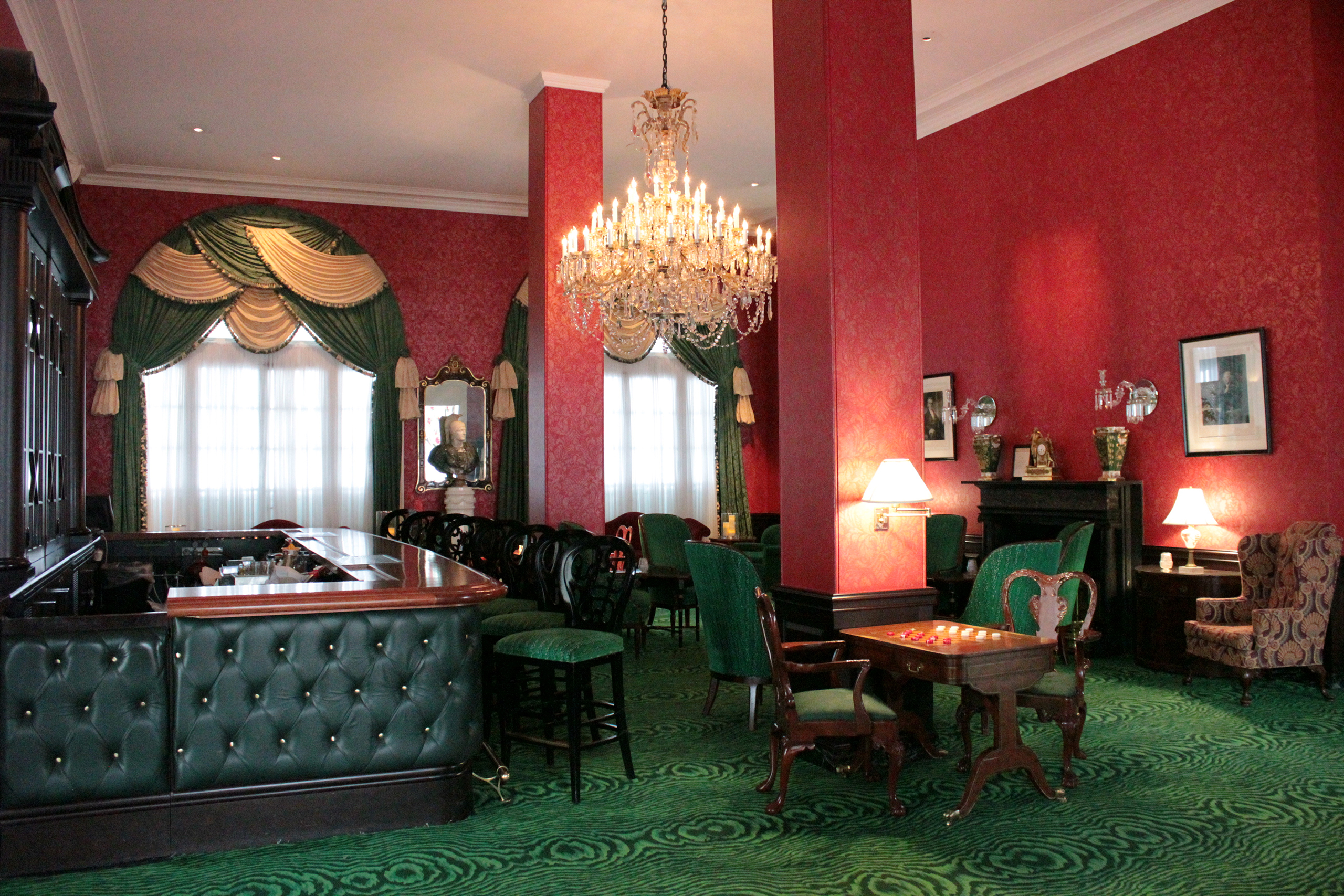
Throughout the 2000s, The Greenbrier embarked on a journey of transformation and modernization with the reimagination of The Old White golf course and the addition of a state-of-the-art casino, mountain-view infinity pool, and the grand Lobby Bar. It’s also when The Greenbrier Sporting Club launched the development of exclusive neighborhoods with custom-designed homes showcasing stunning views of the Allegheny Mountains.
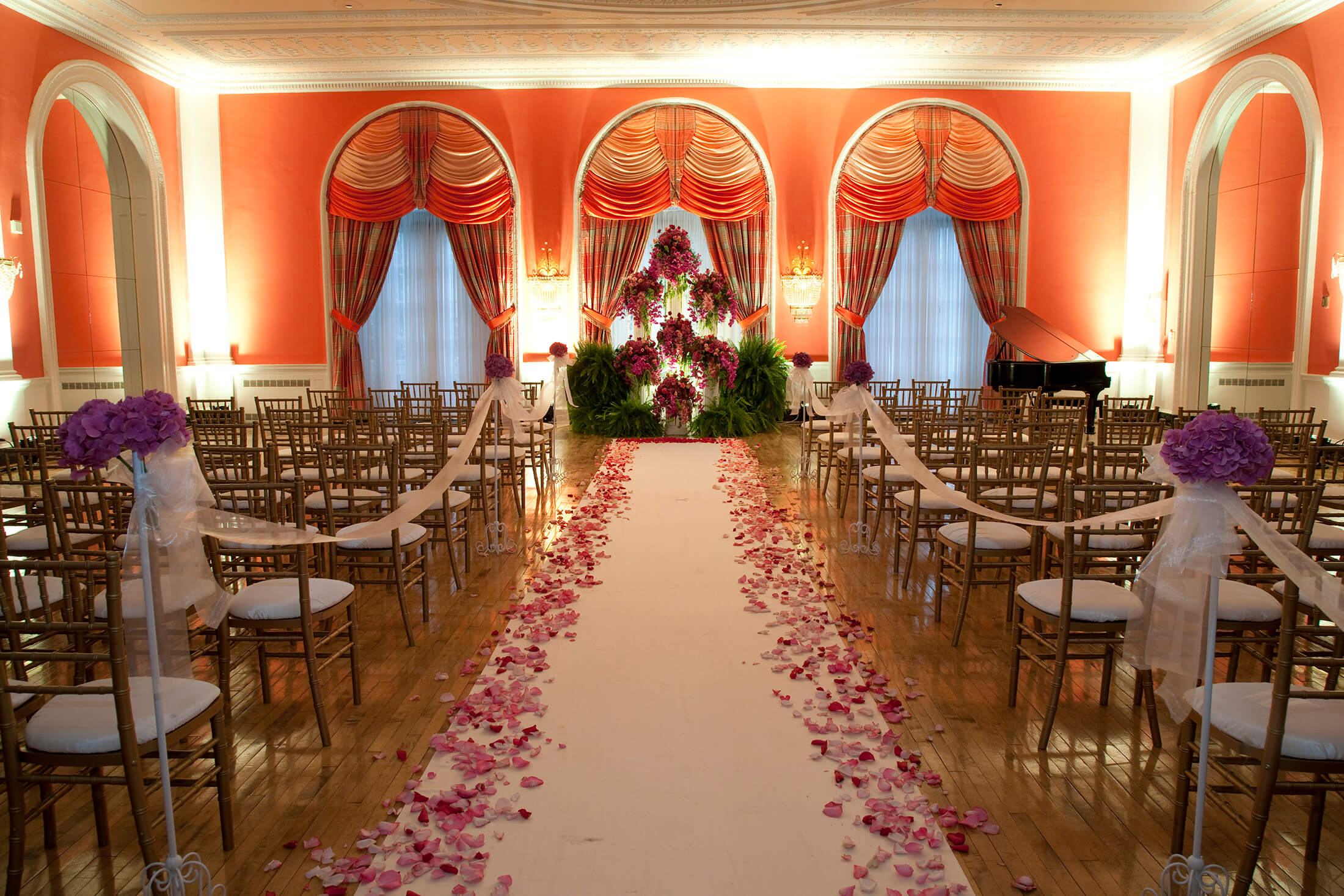
Amidst the challenges of the Great Recession in 2009, Jim Justice — who currently serves as Governor of West Virginia — acquired The Greenbrier from CSX Corporation. His initiatives include the establishment of The Casino Club, the introduction of the prestigious PGA TOUR event The Greenbrier Classic, and the creation of modern facilities such as the Sports Performance Center, Center Court at Creekside, and the stunning Wedding Chapel. This time period marked a resurgence for The Greenbrier, once more thriving and evolving.
Dorothy Draper & Co.
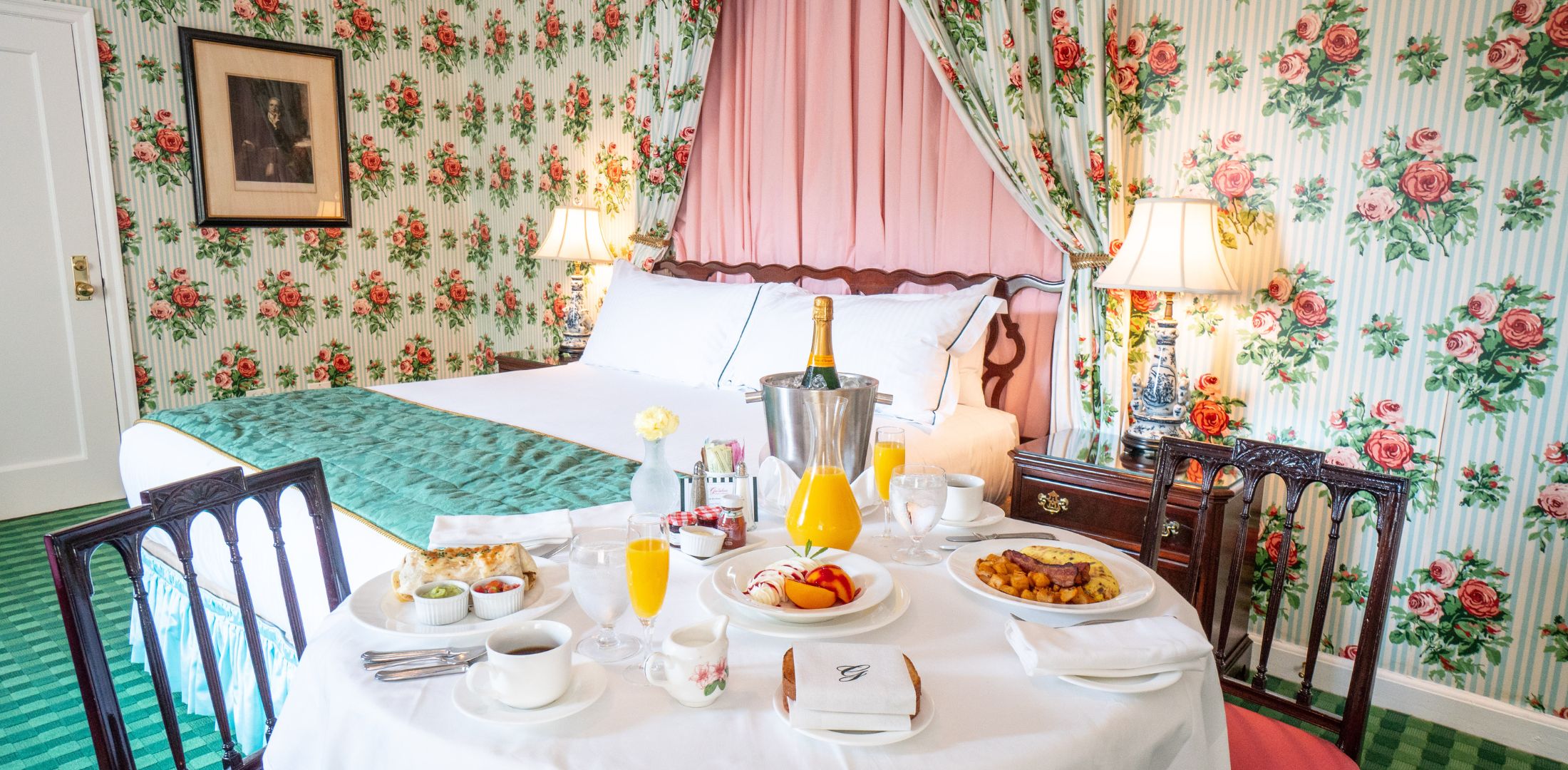
At the heart of The Greenbrier’s legacy lies the visionary work of Dorothy Draper, a trailblazing interior designer whose influence reverberates through every corner of America’s Resort. A name synonymous with all things style, Dorothy Draper was the creative force behind The Greenbrier’s iconic aesthetic, defined by highly saturated hues, bold contrasts, and imaginative uses of patterns.